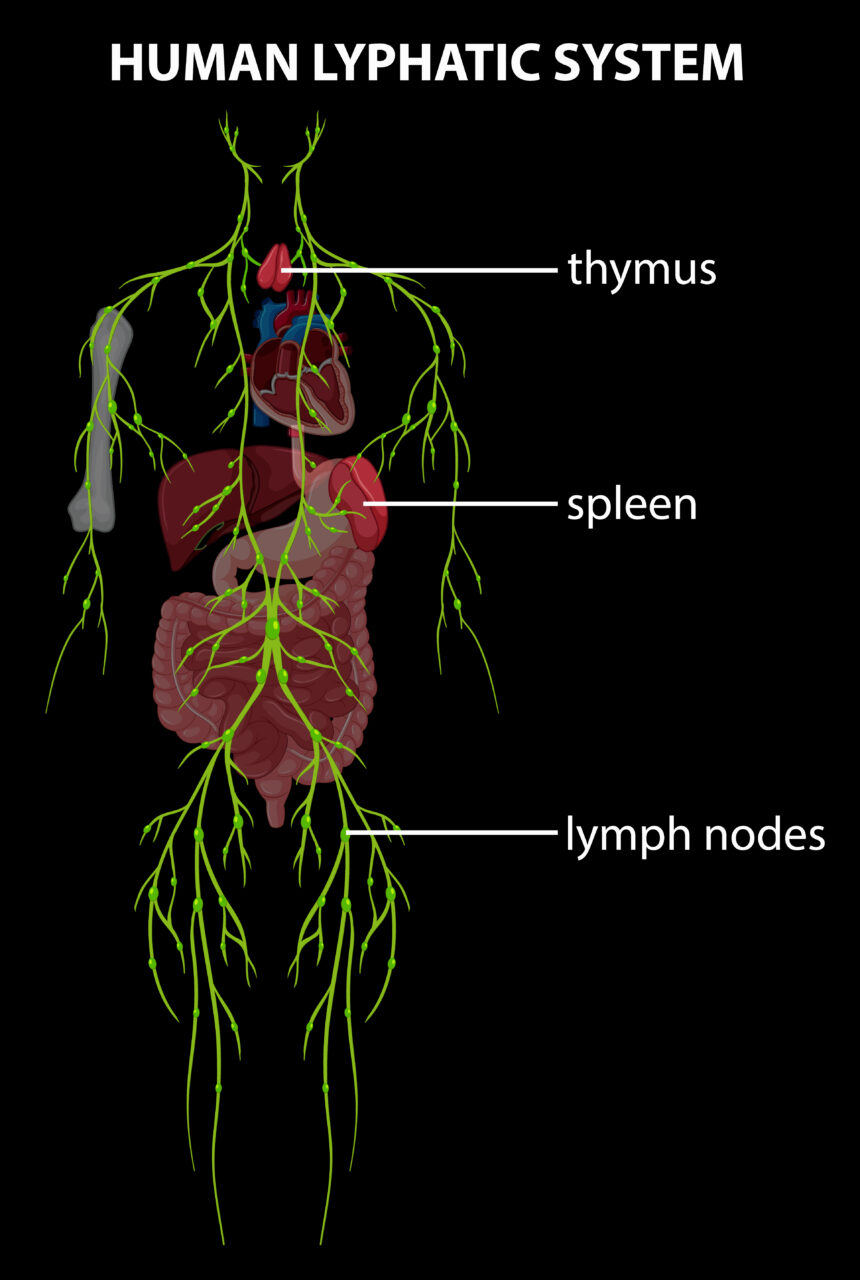
The immune system is a complex network of cells, tissues, and organs working together to protect the body from harmful invaders, including viruses. Among its key components are lymphoid tissues, which play a pivotal role in mounting a defense against viral infections. These tissues, which include lymph nodes, spleen, tonsils, and mucosa-associated lymphoid tissues (MALT), serve as the body’s surveillance system, detecting pathogens and activating the immune response. In this article, we explore how lymphoid tissues protect against viral infections and their essential functions in the immune system.
What Are Lymphoid Tissues?
Lymphoid tissues are specialized structures where immune cells are generated, differentiated, and activated. They include both primary lymphoid organs (bone marrow and thymus) where immune cells are produced, and secondary lymphoid organs (lymph nodes, spleen, tonsils, and MALT), where immune cells interact with pathogens.
The lymphoid organs act as meeting points for immune cells, allowing them to detect and respond to infections effectively. These tissues filter body fluids, such as lymph and blood, and play a central role in the immune response to viral pathogens.
Lymphoid Tissues: The Gatekeepers of Immunity
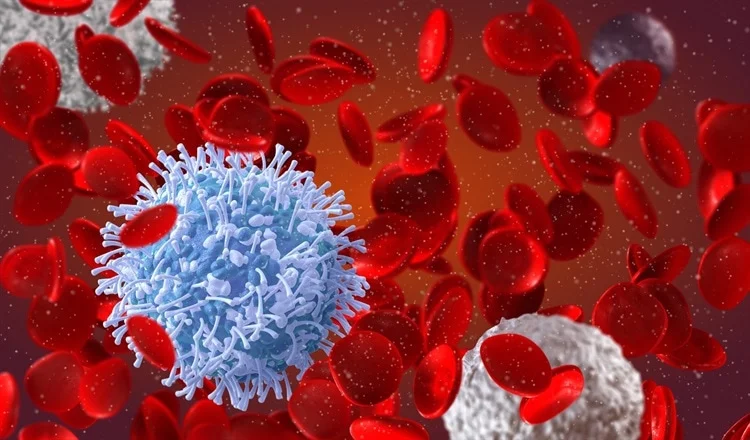
When a virus enters the body, it typically enters through mucosal surfaces, such as the respiratory, gastrointestinal, or urogenital tracts. Lymphoid tissues, particularly MALT, are strategically positioned along these mucosal barriers to defend against such infections. These tissues contain a variety of immune cells, including T cells, B cells, macrophages, and dendritic cells, which have specialized roles in detecting and neutralizing viruses.
- Tonsils and Adenoids: The tonsils, located in the throat, and adenoids, found in the nasal cavity, are primary lymphoid structures involved in the detection of viral infections. They act as the first line of defense, capturing pathogens that enter through the mouth or nose. When a virus is detected, the tonsils initiate an immune response by activating T cells and B cells, leading to the production of antibodies and cytotoxic T cells that target infected cells.
- Mucosa-associated lymphoid tissues (MALT): MALT is found in mucosal regions such as the gastrointestinal tract (GALT), respiratory tract (BALT), and urogenital tract (VALT). It acts as a surveillance system, constantly monitoring for viral invaders. Specialized immune cells within MALT, such as dendritic cells, are highly efficient in recognizing viral antigens. Upon detecting a viral pathogen, they capture and present viral fragments to T cells, stimulating a coordinated immune response.
- Lymph Nodes: Lymph nodes are strategically located throughout the body and serve as critical hubs where immune cells gather. As lymph fluid circulates through the body, it carries viral particles that have entered tissues. The lymph nodes filter this fluid, allowing immune cells to encounter the virus and initiate a robust response. If the virus is identified, immune cells within the lymph nodes will activate B cells, which produce antibodies to neutralize the virus, and cytotoxic T cells, which kill infected cells.
- Spleen: The spleen, located in the abdomen, plays an important role in detecting and responding to viruses circulating in the bloodstream. It contains immune cells that are highly adept at recognizing viruses and responding by activating both innate and adaptive immune responses. The spleen is essential for clearing viruses from the blood and generating long-term immunity through the production of memory B cells.
The Immune Response to Viral Infections
The immune system mounts both an innate and adaptive immune response to combat viral infections. Lymphoid tissues are central to coordinating these responses:
- Innate Immunity: This is the first line of defense and is triggered immediately after a viral infection. Cells such as macrophages and dendritic cells present in lymphoid tissues recognize viral patterns and release cytokines, signaling molecules that alert other immune cells. This rapid response helps to contain the virus before adaptive immunity kicks in.
- Adaptive Immunity: If the virus is not quickly cleared by innate immunity, adaptive immunity takes over. This response is slower but more specific. Lymphoid tissues such as lymph nodes and spleen are where B cells and T cells are activated. B cells produce antibodies that specifically target the virus, preventing it from infecting new cells. T cells, particularly cytotoxic T cells, identify and destroy infected cells.
In addition, during the adaptive immune response, memory B and T cells are formed. These cells “remember” the virus and are crucial for providing long-term protection, as they can respond more quickly and effectively if the virus is encountered again in the future.
Why Lymphoid Tissues Are Essential for Viral Defense

Lymphoid tissues are essential for several reasons in the defense against viral infections:
- Early Detection: Lymphoid tissues are strategically placed to monitor potential viral invaders. They act as early warning systems, detecting viruses before they can spread throughout the body.
- Coordination of Immune Response: These tissues coordinate the interaction of various immune cells, ensuring a targeted and efficient immune response to the virus.
- Memory Formation: Lymphoid tissues are involved in the formation of memory cells, which provide immunity against future infections by the same virus.
- Clearance of Pathogens: Lymphoid tissues are instrumental in clearing viral particles from the body, preventing the virus from spreading to other tissues and causing more severe damage.
Conclusion
Lymphoid tissues are crucial for the body’s defense against viral infections. By recognizing and responding to viral invaders, they help initiate both innate and adaptive immune responses that neutralize viruses and protect the body. These tissues not only help to clear infections but also contribute to long-term immunity, providing protection against future encounters with the same virus. Understanding the role of lymphoid tissues in immunity highlights the sophistication and importance of the immune system in safeguarding our health.
Also Read: https://lifescienceinsights360.com/biotech/ai-model-revolutionizes-gene-expression-prediction-across-human-cell-types/