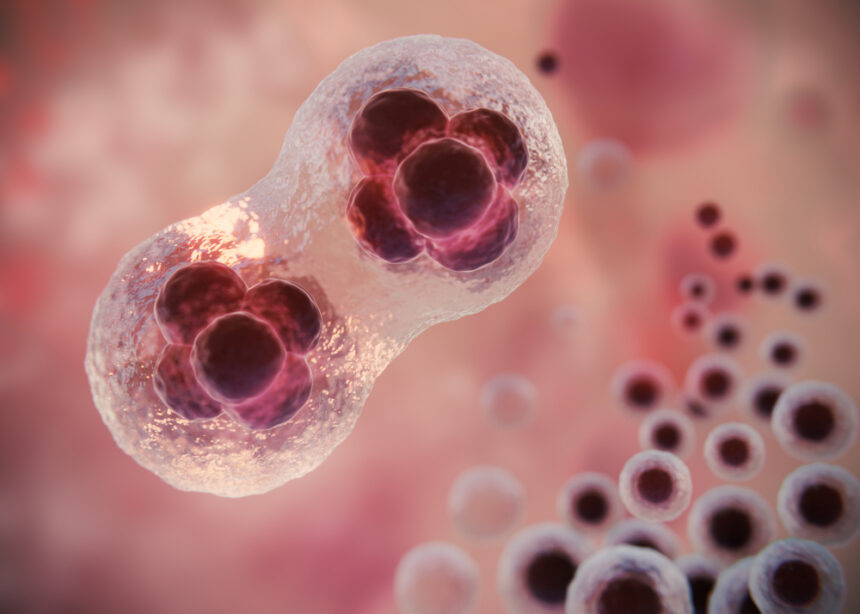
Cancer remains one of the most complex and difficult-to-understand diseases, largely because of its ability to rapidly evolve, mutate, and adapt to hostile environments. In recent years, scientists have turned their attention to the genetic basis of cancer’s adaptability, particularly how cancer cells can survive and even thrive when they possess extra chromosomes, a phenomenon known as aneuploidy. A recent study has uncovered the key mechanisms that enable cancer cells to adapt to having these additional chromosomes, providing groundbreaking insights into the biology of cancer progression and opening new doors for potential therapeutic interventions.
Understanding Aneuploidy: The Role of Extra Chromosomes in Cancer
Aneuploidy refers to the presence of an abnormal number of chromosomes within a cell. While human cells typically contain 46 chromosomes, cancer cells often contain extra chromosomes or sometimes too few, creating a state of genetic imbalance. This imbalance, though harmful to normal cells, can serve as a driving force for cancer cells, giving them a survival advantage. The study’s findings delve deep into this phenomenon, showing how cancer cells exploit this genetic chaos to their advantage.
The New Findings: How Cancer Cells Thrive with Extra Chromosomes

The study, conducted by a team of molecular biologists, focused on how cancer cells adapt to having extra chromosomes, a hallmark of many types of cancer, including breast, lung, and colon cancer. Researchers revealed that cancer cells are capable of activating complex molecular mechanisms that allow them to survive and even proliferate despite their genetic instability.
- Chromosome Duplication and Division: Cancer cells are adept at managing the additional chromosomes through a process of careful duplication and division. In contrast to normal cells, which have well-regulated checkpoints to ensure accurate chromosome segregation, cancer cells often bypass these checkpoints. This allows them to retain extra chromosomes, which may give them new capabilities—such as enhanced resistance to cell death and increased growth potential. The study identified specific proteins that facilitate this unchecked chromosome duplication and division, helping the cells cope with their genetic imbalance.
- Epigenetic Modifications: Another key discovery from the study is the role of epigenetic changes in enabling cancer cells to adapt to extra chromosomes. Epigenetics refers to modifications in gene expression without altering the underlying DNA sequence. Cancer cells with extra chromosomes can “reprogram” their gene expression patterns through epigenetic alterations, which in turn allows them to stabilize their genetic makeup. These modifications ensure that the cells can continue to grow and divide, even when their chromosome numbers are not normal.
- Cellular Stress Response Mechanisms: Cancer cells are under significant stress due to their abnormal genetic state, but they have developed mechanisms to cope with this stress. The study highlighted how cancer cells use a sophisticated network of cellular stress response pathways, such as the unfolded protein response (UPR) and autophagy, to maintain survival. These stress-response pathways help cancer cells deal with the “toxic” effects of having extra chromosomes, including misfolded proteins and disrupted cellular processes. By manipulating these pathways, cancer cells can effectively neutralize the negative consequences of aneuploidy.
- Genetic Evolution and Selection: The presence of extra chromosomes also drives genetic evolution within cancer cell populations. When a cancer cell acquires additional chromosomes, it increases genetic diversity within the tumor. This genetic diversity provides a pool of variations from which certain clones may develop mutations that help them adapt to the environment, resist treatment, or become more aggressive. The study revealed that the tumor microenvironment plays a critical role in selecting for these more robust and adaptable cells.
Implications for Cancer Treatment

Understanding the mechanisms behind how cancer cells adapt to extra chromosomes is more than just an academic pursuit; it has profound implications for cancer treatment. Aneuploidy has long been considered a potential target for cancer therapies, but the ability of cancer cells to adapt to this instability complicates efforts to exploit it.
The findings from this study suggest that targeting the specific molecular pathways cancer cells use to manage extra chromosomes could be a new therapeutic strategy. By interfering with the proteins responsible for chromosome duplication, epigenetic regulation, or cellular stress responses, scientists may be able to destabilize the genetic makeup of cancer cells and render them more susceptible to treatment.
Moreover, therapies that target the tumor microenvironment or the genetic evolution of cancer cells could prevent the selection of aggressive, resistant clones. By combining traditional therapies like chemotherapy and radiation with novel approaches that target aneuploidy-related mechanisms, researchers hope to increase the effectiveness of existing treatments and overcome resistance.
Future Directions
The research team emphasized that while their study has unveiled critical insights, much remains to be explored. Future studies will likely focus on refining these molecular mechanisms and identifying potential drug candidates that could target them directly. Additionally, understanding how these adaptive mechanisms vary across different types of cancers will be crucial in developing personalized treatments tailored to individual patients.
Researchers are also exploring how to incorporate these findings into more precise diagnostic tools. By analyzing the genetic profile of a tumor and identifying signs of aneuploidy, oncologists could better predict the aggressiveness of a cancer and the likelihood of it developing resistance to treatment.
Also read: https://lifescienceinsights360.com/biotech/dead-bacteria-provide-nutrients-through-evolved-enzymes/
Conclusion
The ability of cancer cells to survive and thrive with extra chromosomes has long been a source of intrigue, and this new study provides important clues to understanding how this happens. By uncovering the key mechanisms that enable cancer cells to adapt to genetic instability, the research opens new avenues for the development of targeted therapies aimed at stabilizing or reversing aneuploidy. As our understanding of this fundamental process deepens, it may pave the way for more effective, individualized cancer treatments and, ultimately, better patient outcomes.