In the 21st century, science and technology are the driving forces behind economic development, national security, and social progress. As we stand on the brink of breakthroughs in artificial intelligence, biotechnology, renewable energy, and space exploration, it becomes increasingly important to cultivate a scientifically literate and technologically skilled population. Central to this vision is the establishment and expansion of science laboratories across the country. Science labs are not mere rooms filled with equipment—they are hubs of curiosity, discovery, and innovation. The need for more science labs in our country cannot be overstated, as they play a critical role in education, research, and national advancement.

Enhancing Scientific Literacy in Science labs
Scientific literacy begins in the classroom, but it is nurtured and reinforced in the laboratory. Theoretical knowledge, while essential, only goes so far. Science is fundamentally a hands-on discipline that thrives on experimentation, observation, and inquiry. Without adequate lab facilities, students are deprived of the opportunity to witness scientific principles in action. For instance, concepts like chemical reactions, electrical circuits, and microbiology come alive only when students engage with them practically.
In many schools across the country, science education is limited to textbook learning due to the lack of functional labs. This not only diminishes student interest but also hinders comprehension. Establishing more science labs, especially in underprivileged and rural areas, will ensure that students from all backgrounds have equal access to quality science education.
Promoting Critical Thinking and Innovation
Laboratories foster critical thinking. They require students to formulate hypotheses, conduct experiments, analyze results, and draw conclusions. This scientific method cultivates problem-solving abilities, logical reasoning, and a questioning mindset—all essential skills in today’s knowledge economy.
Moreover, labs are the birthplaces of innovation. Many great inventions, from the electric bulb to the polio vaccine, originated in modest laboratories. By providing students and researchers with well-equipped labs, we encourage innovation at the grassroots level. When students are exposed to real-world problems and given the tools to explore solutions, they develop the confidence to think independently and creatively.
Bridging the Urban-Rural Divide in Education
One of the persistent challenges in our country is the educational divide between urban and rural areas. Urban schools and institutions are generally better equipped with modern facilities, including science labs, while rural schools often struggle with basic infrastructure. This imbalance creates a gap in opportunities and learning outcomes.
Setting up more science labs in rural schools and colleges can help bridge this divide. It empowers rural students with the same tools and experiences as their urban counterparts, thus leveling the playing field. Over time, this can contribute to more equitable development, reduce migration to cities, and harness rural talent for national growth.
Strengthening Higher Education and Research in science labs
Science laboratories are the backbone of higher education and research. Universities and research institutions depend on sophisticated labs for cutting-edge work in fields such as nanotechnology, genomics, robotics, and environmental science. However, a significant number of colleges and universities in our country suffer from inadequate lab infrastructure, which stifles academic and research potential.
By investing in more advanced labs in higher education institutions, we can encourage students to pursue research careers and contribute to scientific progress. This also helps in attracting international collaborations, grants, and investments, making our country a global hub for research and innovation.
Science and technology play a vital role in addressing some of the most pressing challenges facing our country—climate change, water scarcity, energy needs, and public health crises, to name a few. Laboratories are where solutions to these problems are born. For instance, during the COVID-19 pandemic, labs played a crucial role in developing diagnostic tests, studying the virus, and producing vaccines.
To meet our national development goals, we need a robust scientific infrastructure supported by a network of functional and modern laboratories. Whether it’s developing sustainable agricultural practices, improving disaster resilience, or advancing clean energy technologies, science labs are indispensable.
Encouraging STEM Careers
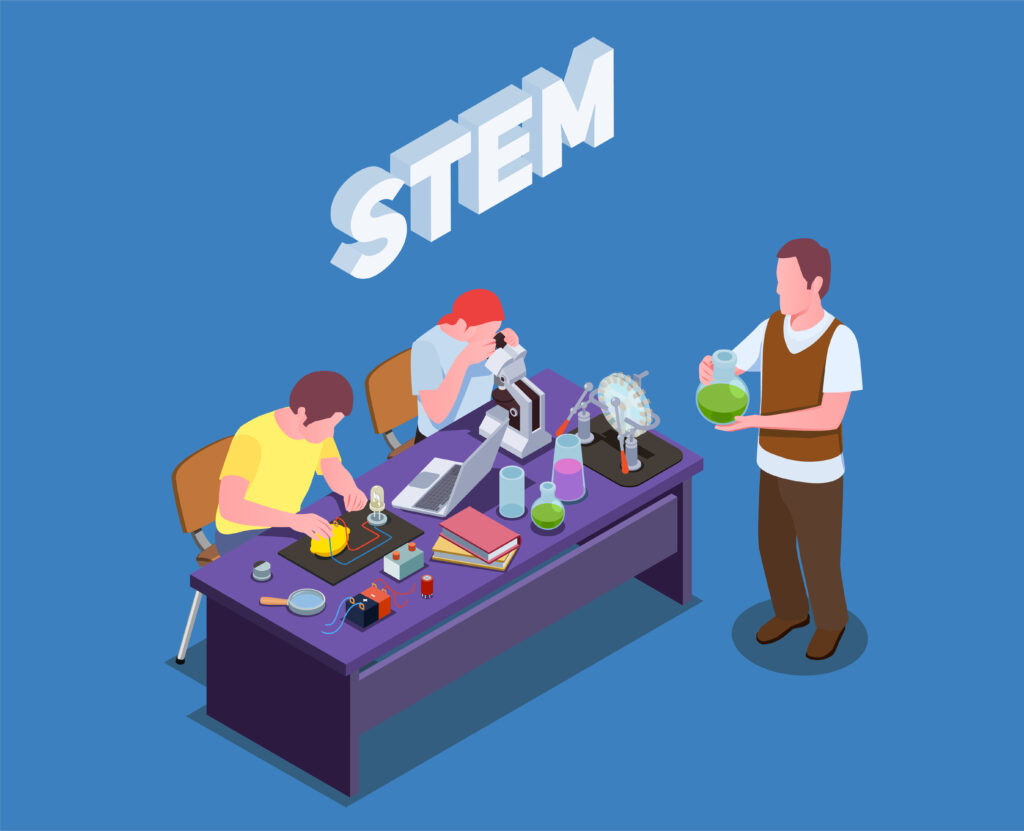
There is a growing demand for professionals in science, technology, engineering, and mathematics (STEM). However, many students shy away from STEM careers due to a lack of early exposure and hands-on experience. Science labs in schools and colleges serve as the first step toward nurturing future scientists, engineers, and innovators.
When students engage in exciting experiments and see the practical relevance of science in everyday life, they are more likely to pursue STEM careers. This can address the skill gap in our workforce and drive economic growth by creating a pool of talented professionals ready to tackle future challenges.
Creating a Culture of Inquiry
A scientific temper is crucial for the progress of any society. This mindset values evidence over superstition, logic over dogma, and inquiry over conformity. Science labs promote this culture by encouraging students to ask questions, challenge assumptions, and seek evidence-based answers.
In a country as diverse and complex as ours, promoting scientific thinking among the youth can lead to more rational decision-making at all levels—personal, societal, and governmental. It also helps in combating misinformation and promoting public understanding of science.
Establishing science labs also has economic benefits. The process involves construction, procurement of equipment, hiring of skilled technicians and instructors, and maintenance services, all of which generate employment. In addition, local economies benefit when educational institutions become centers of excellence that attract students, faculty, and collaborators from other regions.
Moreover, students trained in science labs are more likely to start their own ventures, become part of research-based industries, or work in tech startups, thus contributing to the entrepreneurial ecosystem.
Conclusion
The establishment of more science labs across our country is not merely an educational necessity—it is a national imperative. These labs are crucibles of creativity, engines of innovation, and foundations of a scientifically empowered society. To realize our full potential as a nation, we must ensure that every student, regardless of geography or socioeconomic status, has access to quality science education supported by well-equipped laboratories.
Governments, private institutions, NGOs, and communities must come together to invest in this critical infrastructure. Only then can we hope to cultivate a generation that not only understands the world but is also prepared to improve it.