
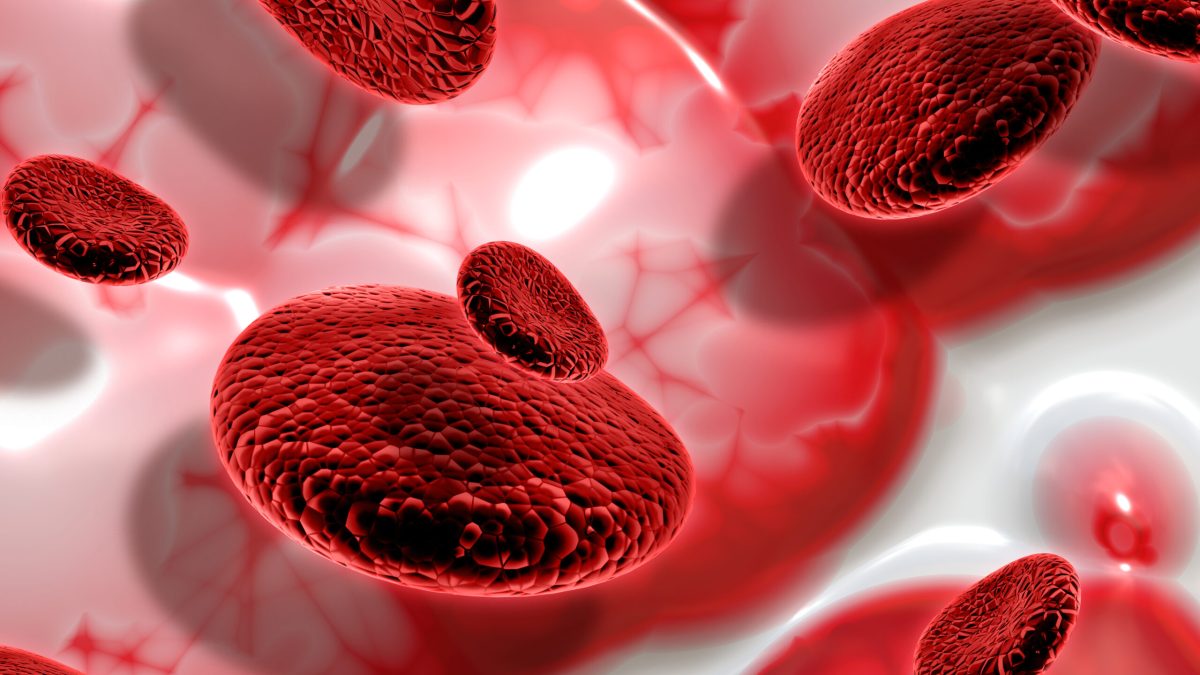
Hematopoietic stem cells (HSCs) are the cornerstone of blood cell Regulators formation, possessing the remarkable ability to self-renew and differentiate into all blood cell lineages. Understanding the molecular mechanisms that govern HSC fate is crucial for advancing regenerative medicine and developing therapies for blood-related disorders. A recent study has identified seven genes that play pivotal roles in determining HSC identity, providing valuable insights into blood stem cell biology.
The Study: Uncovering Key Regulators of HSC Fate
The research team employed an unbiased genome-wide CRISPR activator screen during mesodermal differentiation from mouse embryonic stem cells (mESCs). This approach led to the identification of seven genes—Spata2, Aass, Dctd, Eif4enif1, Guca1a, Eya2, and Net1—that, when activated during mesoderm specification, induce the generation of hematopoietic stem and progenitor cells (HSPCs). These cells demonstrated the ability to serially engraft and produce multilineage output, including erythroid, myeloid, and lymphoid lineages, in vivo .

Mechanisms of Action
Single-cell RNA sequencing analyses revealed that activating these seven genes biases the differentiation of embryoid bodies towards intraembryonic development, rather than extraembryonic pathways. This shift enhances the number of mesodermal progenitors capable of generating HSCs. The study underscores the importance of early germ layer specification in the generation of definitive blood stem cells.
Implications for Regenerative Medicine
The identification of these seven genes opens new avenues for generating HSCs in vitro, a critical step for therapeutic applications such as bone marrow transplantation and gene therapy. By manipulating these key regulators, researchers can potentially generate functional HSCs from pluripotent stem cells, providing a renewable source of blood cells for patients with hematological disorders.
Conclusionff
This groundbreaking study sheds light on the molecular determinants of HSC fate, offering new strategies for blood stem cell generation and therapeutic interventions. As research progresses, these findings may pave the way for innovative treatments for blood-related diseases, bringing us closer to harnessing the full potential of stem cell-based therapies.